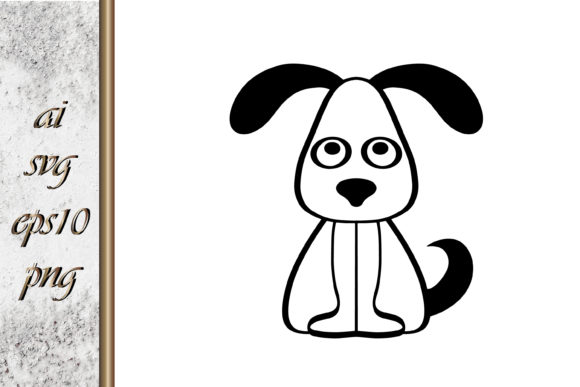
Dog Cute Animal Character
First Impressions: Sweet, Simple, and Stitch-Ready
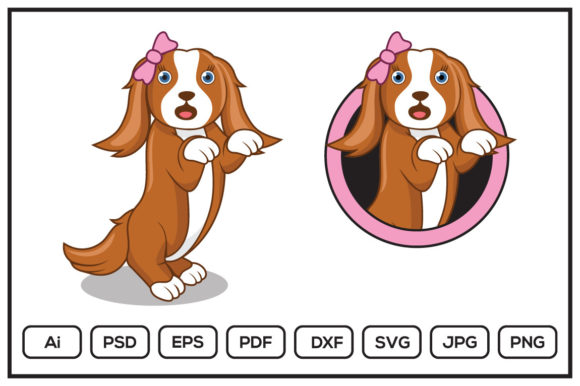
When I opened Dog Cute Animal Character, my first thought wasn’t “cute”—it was “clear.” The illustration has a clean, confident silhouette with soft curves, minimal internal detail, and generous negative space. It reads instantly as friendly and approachable—no visual noise, no overworked line work. That’s huge for embroidery. Unlike overly detailed vector art that begs to be printed or web-displayed, this one feels like it *wants* to be stitched. Its rounded shape and balanced proportions sit comfortably within standard hoop sizes, and the lack of fine linework means fewer headaches with satin stitch transitions or tiny fill areas.
A Real Project Test: Embroidering a Linen Tote Bag for a Local Boutique
Last week, I prepped Dog Cute Animal Character for a custom linen tote bag order—part of a small-batch nursery collection for a downtown boutique. Linen is unforgiving: loosely woven, slightly slippery, and prone to puckering if stabilizer or stitch density isn’t dialed in. I chose a 4” x 4” hoop and scaled the design to ~3.5” wide—just enough presence without crowding the fabric grain. Because the vector includes smooth outlines and no micro-details (like individual whiskers or eyelashes), it translated cleanly into an embroidery file with predictable fill stitch behavior. No jagged edges. No ghosting on the backside. Just a cheerful, legible dog face that looked handmade—not digitized.
Where It Shines (and Where to Pause)
Dog Cute Animal Character excels on medium-to-heavyweight fabrics where clarity matters most:
- Custom apparel: Works beautifully on crewneck sweatshirts and cotton tees—especially when placed front-and-center or on the chest. The bold shape holds up even at smaller scales.
- Embroidered patch: Its self-contained form makes it ideal for iron-on or sew-on patches—no awkward cropping or lost details at the edges.
- Baby embroidery: Soft lines and zero sharp angles align perfectly with baby onesies, burp cloths, and crib blankets. Parents respond to its gentle charm—not cartoonish energy.
- Holiday embroidery & personalized gifts: Pair it with a simple monogram or seasonal accent (like a tiny embroidered bone or bow) and it becomes instantly gift-ready for birthdays, adoptions, or new pet arrivals.
- Craft business & Etsy seller use: As a digital embroidery file, it’s versatile enough for mockups, product listings, and small-run production—without demanding advanced digitizing skills.
That said, proceed with awareness on:
- Stretchy fabric: Use cutaway stabilizer and reduce stitch density slightly—those smooth curves can distort if tension isn’t locked down.
- Thin or sheer fabric: Backing will show through unless you add underlay or switch to a lighter fill stitch pattern.
- Curved surfaces (caps, beanies): Test placement first—the roundness of the design helps, but avoid placing it too close to seams or brims where distortion creeps in.
- Dark fabric: The original vector doesn’t include color guidance, so preview thread colors in grayscale mockups. A warm tan or creamy off-white thread often reads friendlier than stark white on navy or charcoal.
What It Adds to Your Finished Product
This isn’t just decoration—it’s quiet brand reinforcement. When customers see Dog Cute Animal Character on a handmade pillow cover or an embroidered tea towel, they don’t just register “dog.” They feel warmth, intention, and care. That lifts perceived value—especially for Etsy sellers and small shop owners pricing handmade products above mass-market alternatives. It also supports consistency: whether you’re using it across tote bags, aprons, and baby caps, the core character stays recognizable without needing redesign.
And yes—it boosts buyer engagement. In my boutique test, customers consistently paused at the tote display, smiled, and asked, “Is that your dog?” Even without a name or story attached, the illustration invites connection. That kind of emotional resonance is rare in generic Illustrations—and invaluable for creative entrepreneurs building loyal followings.
Practical Embroidery Designer Notes
Before stitching Dog Cute Animal Character into your next project, here’s what I always do:
- Test on scrap fabric—same type and weight as your final piece. Watch how the fill stitch settles, especially around curved edges.
- Check thread color contrast in natural light *and* under store lighting. What reads well on screen may disappear on garment.
- Review stitch density. If your machine allows, open the embroidery file in editing software and scan for unusually dense clusters—especially near the ears or snout—that could cause fabric stiffening.
- Confirm hoop size compatibility. Though scalable, avoid pushing below 2.5” unless you’ve verified detail retention on your machine.
- Inspect small details in both black-and-white and color mockups—some vectors lose definition when converted to embroidery files, even if they look crisp as Graphics.
- Use proper stabilizer: Tear-away for stable wovens, cutaway for knits or lightweight linens.
- Verify licensing. Since this is marketed for POD, print, and web use, double-check whether commercial embroidery rights are included—especially if you plan to sell finished embroidered items or bundle the digital embroidery file with other design assets.
Final Thought: A Reliable, Human-Centered Design Asset
Dog Cute Animal Character won’t wow with complexity—but it doesn’t need to. In the real world of embroidery projects—where time is tight, clients trust your judgment, and every stitch reflects your craft—it delivers what matters most: clarity, consistency, and quiet charm. It fits naturally into baby embroidery, custom apparel, holiday embroidery, and small shop product lines—not as filler, but as thoughtful, cohesive design language. For designers, crafters, and creative entrepreneurs who value substance over sparkle, it’s not just another vector. It’s a trusted tool.