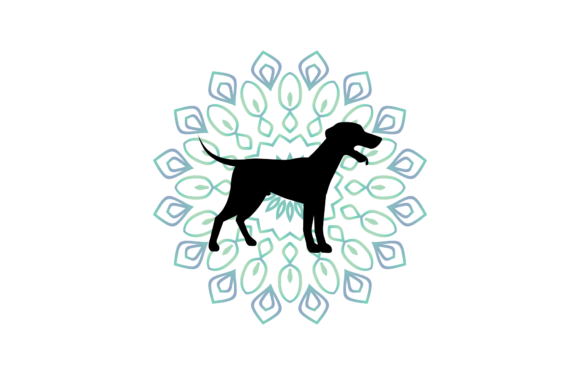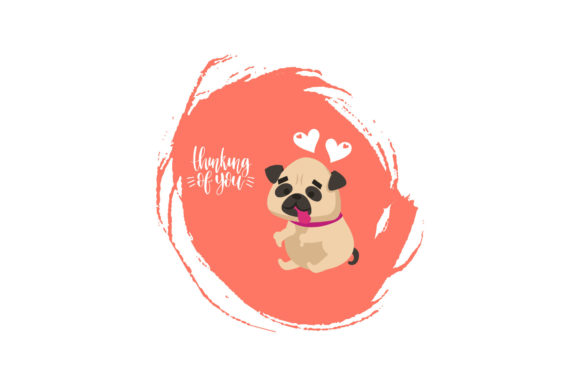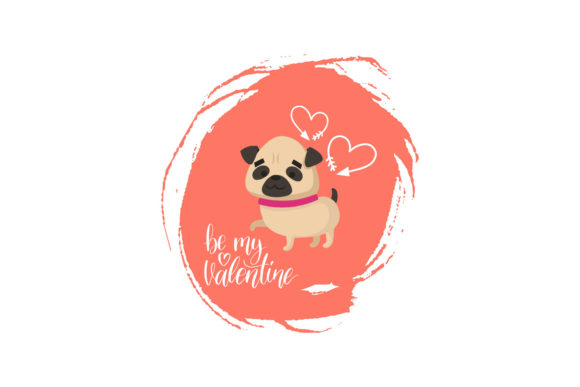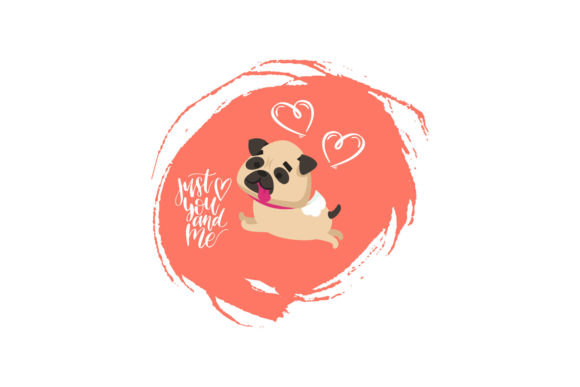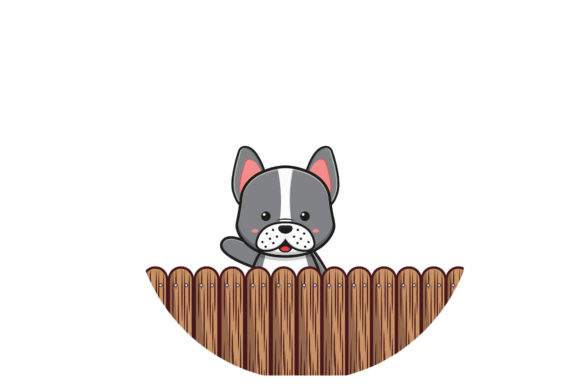
Dog Illustration and Emote Icon
First Impressions: Sweet, Simple, and Stitch-Ready
When I opened Dog Illustration and Emote Icon, my first thought wasn’t “cute”—it was “practical.” The clean silhouette, friendly expression, and balanced negative space tell me this wasn’t drawn just for screen display. It reads like a design that *wants* to be stitched. There’s no fussy line work or micro-detail that’ll vanish under satin stitch or blur on a baby onesie. Instead, it lands somewhere between playful mascot and minimalist icon—ideal for embroidery projects where charm matters more than complexity.
A Real Project Test: Embroidering a Linen Tote for a Local Pet Boutique
Last week, I used Dog Illustration and Emote Icon to create embroidered canvas totes for a small pet boutique launching their holiday collection. We chose a medium-weight natural linen—textured but stable—and sized the design to fit comfortably in a 4” hoop. The SVG file converted cleanly into my embroidery software, and the vector clarity meant no pixelation when scaling down to 3.2”. On the finished tote, the dog’s outline held crispness, and the subtle curve of its ear translated beautifully into smooth satin stitch. Customers responded instantly—not just to the subject, but to how *intentional* it looked. That’s the quiet power of a well-built illustration: it doesn’t shout; it invites touch, recognition, and repeat purchase.
Where This Design Shines (and Where It Asks for Thought)
Dog Illustration and Emote Icon fits naturally into so many handmade contexts:
- Custom apparel: Works cleanly on sweatshirt cuffs, t-shirt chest placements, and even cap fronts—if resized thoughtfully and paired with light stabilizer.
- Baby and nursery items: Its gentle shape and open features make it perfect for onesies, burp cloths, and pillow covers—no sharp corners to irritate delicate skin.
- Patches and applique designs: The clear outer contour and minimal interior detail mean clean cut lines and stable fabric layers.
- Holiday and gift items: Paired with simple thread colors (cream on navy, charcoal on oatmeal), it reads as warm, personal, and uncluttered—ideal for personalized gifts or boutique-branded merchandise.
- Digital product use: As a Graphics asset, the AI and EPS files hold up in mockups for Etsy listings, while PNG and JPG versions serve well in printable packaging or social previews.
Careful Use Cases: Know Before You Hoop
This isn’t a one-size-fits-all embroidery file—and that’s okay. Here’s where I pause before stitching:
- Small hoop sizes (under 3”): The current canvas size (1920 × 1280 px) suggests generous resolution, but shrinking too far risks losing definition in curved areas like the snout or paw. Always test at your target size on scrap fabric.
- Textured or stretchy fabrics: While the design’s simplicity helps, dense textures (like heavy terry cloth) can mute fine edges. On knits, use cutaway stabilizer and reduce stitch density slightly to prevent puckering.
- Dark or layered garments: The illustration relies on shape and contrast—not shading—so it holds up well on dark fabric, but verify thread color visibility. A single-tone version (e.g., white thread on black twill) often reads stronger than multi-color attempts here.
- Curved surfaces (caps, hats): The balanced proportions help, but avoid placing near the crown seam unless you’ve tested hooping and tension on that exact cap style.
- Frequent-wash items (tea towels, baby clothes): Because there’s no dense fill-stitch area, it’s inherently low-risk for wear—but still confirm your satin stitch settings aren’t over-compacting the outline.
What This Design Adds to Your Finished Product
It’s rare to find an illustration that lifts the perceived value of a handmade product without adding complexity. Dog Illustration and Emote Icon does exactly that. On a custom-embroidered apron? It feels considered—not generic. On an Etsy listing for personalized pet gifts? It signals care in curation, not just convenience. For a craft fair vendor, it’s a versatile anchor design—swap thread colors to match seasonal palettes, pair it with simple monograms, or combine it with coordinating icons for a cohesive collection.
Most importantly, it builds trust. When customers see clean lines, consistent spacing, and thoughtful scale—even in a “cute dog” motif—they subconsciously associate that polish with your brand’s reliability. That’s what separates a quick digital download from a true design asset.
Practical Notes Every Embroidery Designer Should Check
Before using Dog Illustration and Emote Icon in your next project:
- Test the design on scrap fabric matching your final garment—especially for stitch density and thread pull.
- Review how it renders in black-and-white mockups; if it reads clearly there, it’ll read well on any background.
- Compare light and dark fabric backgrounds side-by-side to choose optimal thread colors.
- Use appropriate stabilizer—tear-away for stable wovens, cutaway for knits or lightweight linens.
- Confirm licensing terms directly with the seller before selling finished embroidered goods or bundling the file into digital product kits.
- Check whether your embroidery software imports the AI/EPS/SVG files smoothly—or if you’ll need to trace or simplify paths first.
Final Thought: A Quietly Versatile Workhorse
This isn’t a flashy, trend-chasing graphic. It’s a quietly confident, well-proportioned illustration built for real making. Whether you’re stitching a single personalized gift or building a full line of pet-themed merchandise, Dog Illustration and Emote Icon gives you room to execute cleanly—and lets your craftsmanship take center stage. In a world full of overdesigned embroidery files, sometimes the best choice is the one that simply works, again and again.