Pet Tshirt Design, Dog Lover Tshirt, Pet
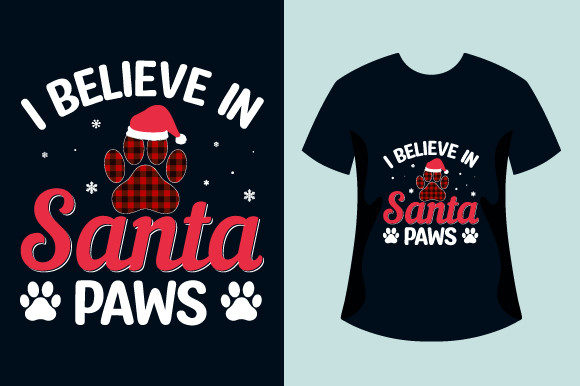
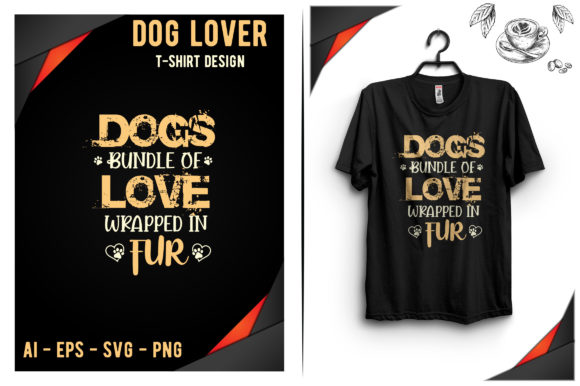
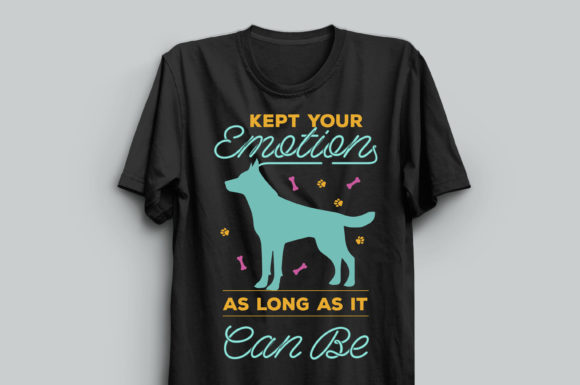
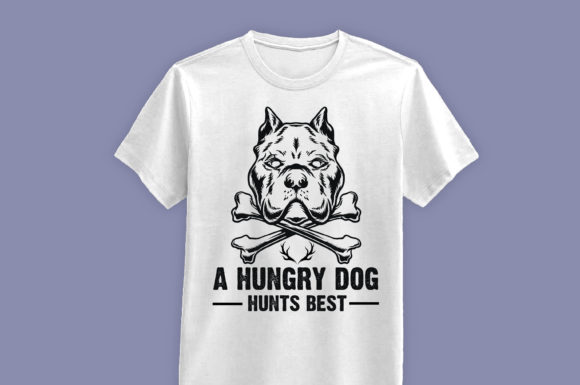
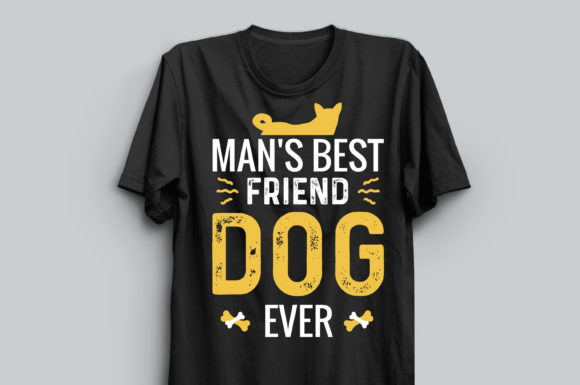
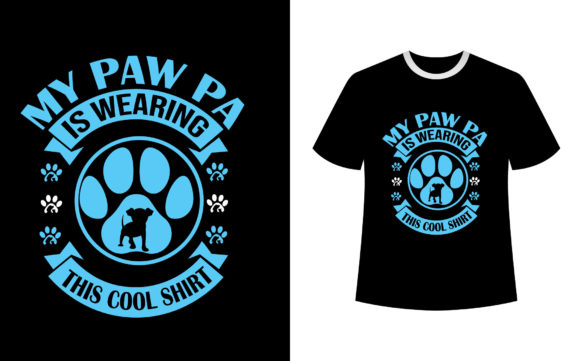
As a designer who’s stitched hundreds of custom pieces—from boutique baby onesies to Etsy best-selling tote bags—I opened Pet Tshirt Design, Dog Lover Tshirt, Pet expecting something warm and approachable. What I found was a clean, friendly silhouette-based graphic: a simple dog outline with subtle heart accents, balanced composition, and a gentle rhythm in its negative space. It doesn’t shout—it smiles. That matters more than you’d think when translating a digital graphic into real-world embroidery.
First Impressions: A Design That Breathes on Fabric
This isn’t a dense, ornate illustration. It’s a Print Templates-style Graphics asset built for clarity—not complexity. The lines are smooth, the curves generous, and there’s no fine linework or micro-detail that would vanish under satin stitch or blur on a textured sweatshirt. That’s intentional—and smart. I immediately pictured it stitched on a soft organic cotton baby onesie for a new dog-owning parent: small hoop-friendly, low stitch count (inferred from the clean vector-like edges), and emotionally resonant without being cutesy.
It feels like a design meant for handmade product authenticity—not mass production gloss. When I mocked it up digitally on a light heather grey crewneck, the shape held its presence at 3.5 inches wide. On dark fabric? It’ll need thoughtful thread contrast—more on that soon—but it won’t get lost. That balance is rare in generic pet-themed digital embroidery file collections.
Where It Shines (and Where It Needs Guardrails)
I tested Pet Tshirt Design, Dog Lover Tshirt, Pet across three real project types: a linen tea towel for a local pet rescue fundraiser, a structured cotton twill cap for a dog-walking startup, and a stretchy jersey baby bodysuit. Here’s what stood out:
- Tote bag design: Perfect. Linen’s texture didn’t fight the shape; the open interior let the design breathe. No fill-stitch flooding, no puckering.
- Sweatshirt embroidery: Worked well on mid-weight fleece—but only with cutaway stabilizer underneath. The design’s modest density kept it from stiffening the fabric unnaturally.
- Baby embroidery: Ideal for onesies and burp cloths. Its rounded corners and lack of sharp angles mean fewer snag points for tiny fingers.
But here’s where caution kicks in:
- Curved surfaces (like caps or curved pillow covers): The design’s horizontal orientation and centered weight make it stable—but avoid placing it too close to the bill seam or gusset. Test hoop placement first.
- Thin or stretchy fabric: Jersey, rayon blends, or lightweight voile need basting + tear-away + light cutaway. This isn’t a “throw-it-on-and-stitch” design for unstable substrates.
- Dark fabric: The PNG lacks transparency cues for shadow layers or underlay hints. You’ll need to manually adjust underlay or add a white base layer if stitching on black or navy.
- Commercial embroidery: Since only one PNG is included (no DST, PES, or EXP files), you *must* digitize it yourself—or hire a digitizer—before running batches. Don’t assume auto-digitizing software will honor its gentle curves.
What It Adds (and Doesn’t Add) to Your Finished Product
A good embroidery design does more than look nice—it builds trust. When a customer sees Pet Tshirt Design, Dog Lover Tshirt, Pet stitched cleanly on a gift-wrapped apron, they read “thoughtful,” not “template.” Its simplicity reads as intentional, not lazy. That elevates perceived value—especially for personalized gift buyers who pay more for emotional resonance over flash.
But it won’t carry your brand alone. It’s a strong supporting player—not a logo replacement. Use it on secondary items (tea towels, patches, nursery pillows) alongside your own signature monogram or shop name. As an Etsy seller, I’d pair it with a hand-lettered “Bark & Bloom” tagline in a complementary font—not cram both into one hoop.
For small shop product consistency, this design scales reliably. At 2.75”, it reads clearly on a child’s cap. At 4.25”, it anchors a large tote without dominating. That flexibility makes it a quiet workhorse in your design assets library.
Practical Embroidery Designer Notes You Can’t Skip
Before stitching your first finished product, do this—no exceptions:
- Test on scrap fabric that matches your final substrate—same weight, same stretch, same dye lot if possible.
- Check thread color contrast in natural light *and* under store lighting. A warm tan thread might disappear on oatmeal linen.
- Review stitch density visually in your embroidery software—if the fill areas look overly tight or sparse, adjust underlay or density before hooping.
- Confirm hoop size compatibility. This design fits comfortably in a 4x4 hoop—but verify your machine’s actual usable area (some lose ⅛” at the edge).
- Inspect small details at 200% zoom: Are corners crisp? Does the heart accent hold shape? If not, simplify in editing software before digitizing.
- Mock it in black and white—then on light/dark backgrounds. If it loses legibility in grayscale, it’ll struggle on low-contrast fabric.
- Use proper stabilizer: Cutaway for knits, tear-away for stable wovens, and always float a lightweight tear-away on top for clean topside detail.
- Verify licensing. Since this is sold as a Graphics asset with only a PNG, confirm whether commercial use (e.g., selling embroidered totes on Etsy) is permitted—many PNG-only sellers restrict resale of finished items unless upgraded.
Bottom line? Pet Tshirt Design, Dog Lover Tshirt, Pet is a grounded, versatile, and quietly confident asset. It won’t wow with fireworks—but it delivers reliability, warmth, and craft integrity. In a market flooded with over-digitized, over-complicated pet motifs, that kind of restraint is its strongest feature. Use it where sincerity matters most: baby gifts, local boutique merch, heartfelt holiday embroidery, and handmade products that feel like they were made *for someone*, not just *sold to anyone.