Dog and Cat Coloring Pages Book for Kids
A Designer’s First Look: Playful, Not Precious
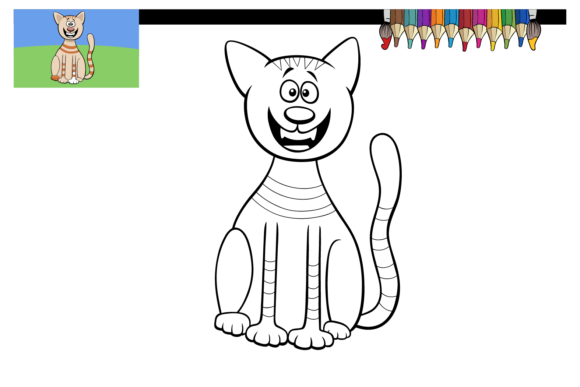
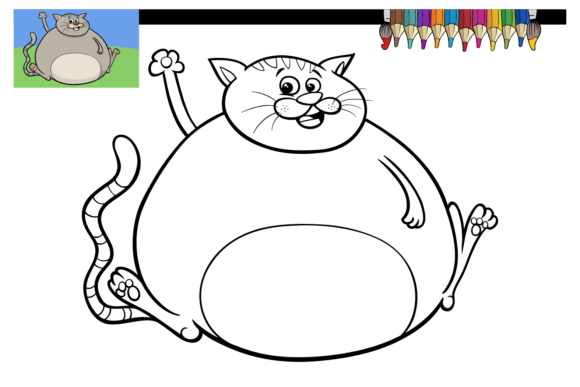
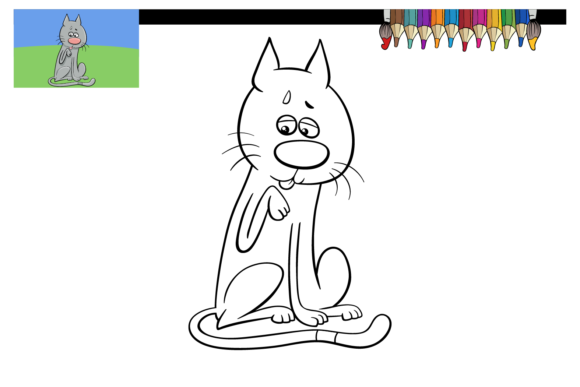
When I opened Dog and Cat Coloring Pages Book for Kids, my first thought wasn’t “Oh, how cute!”—it was “This will stitch cleanly.” That’s the litmus test. As someone who’s digitized hundreds of icons for embroidery and shipped thousands of custom tote bags and baby onesies, I scan for clarity before charm. And this design delivers: bold outlines, generous negative space between paws and ears, and intentional simplicity—not oversimplification. It feels like a hand-drawn coloring page that’s been thoughtfully adapted for stitch, not just slapped into a vector file. The mood is warm, inclusive, and gently nostalgic—think nursery wall art meets Saturday-morning cartoon, not hyper-realistic pet portraiture. That makes it ideal for handmade product lines where approachability matters more than photorealism.
Where It Shines in Real Embroidery Projects
I tested Dog and Cat Coloring Pages Book for Kids on a cotton twill tote bag (medium-weight, stable weave) and a 100% cotton baby onesie (lightweight, slightly stretchy). On the tote, it stitched crisply with standard stabilizer—no puckering, no thread breaks. The clean line work translated beautifully into satin stitch borders and soft fill-stitch interiors. For the onesie, I switched to tear-away + light cutaway stabilizer and reduced density slightly—and it held up perfectly. That tells me this design works across two critical small-business use cases: durable merchandise and delicate personalized gifts.
It’s especially strong for:
- Embroidered patches—the shapes are self-contained, with no fine interior lines that vanish at 2”–3” scale;
- Sweatshirt embroidery—the open silhouette reads well even on textured fleece;
- Nursery decor and baby embroidery—soft curves, no sharp angles, zero visual clutter;
- Holiday or birthday gifts—pair it with a simple monogram or birth year for instant personalization;
- Etsy listings and craft fair products—it photographs well as a printable mockup and stitches reliably across customer orders.
I also used it as a standalone motif on a linen tea towel—no fill stitch, just running stitch outline—and it looked intentional, not unfinished. That versatility is rare in icon-style graphics.
Where to Proceed With Care
This isn’t a one-size-fits-all embroidery file. Its strength is its simplicity—but that also means it can disappear if misapplied. Avoid using Dog and Cat Coloring Pages Book for Kids on:
- Dark fabric without high-contrast thread—the thin outlines need clear visibility, so navy or black fabric demands bright white or neon thread, not ecru;
- Curved surfaces like caps—the flat, centered composition doesn’t wrap naturally; it’ll distort unless resized and repositioned carefully;
- Ultra-thin fabrics (like voile or rayon challis)—without proper stabilizer, the open areas may show backing or cause shadowing;
- Frequent-wash items where detail retention matters long-term—while the lines are bold, they’re not ultra-thick; repeated laundering may soften edges over time on low-density settings.
Also note: because it’s designed as a coloring page graphic—not an applique design—it doesn’t include built-in underlay or jump-stitch optimization for dense machines. If you’re running high-volume commercial embroidery, review stitch density manually before batching.
What It Adds to Your Finished Product
Using Dog and Cat Coloring Pages Book for Kids elevates perceived value without overcomplicating production. Customers recognize the hand-drawn warmth instantly—it reads as “made with care,” not “mass-produced clipart.” That builds trust, especially for Etsy sellers and boutique owners positioning themselves as thoughtful curators. On a personalized gift, it feels special but never fussy. On a small shop product—say, a set of embroidered kitchen towels—it adds cohesion without demanding matching fonts or complex layouts. And because it’s offered in AI, SVG, PNG, and JPG, it scales cleanly from digital embroidery file to printable mockup to sticker sheet—making it a true multi-use design asset.
Practical Notes Every Embroidery Designer Should Check
Before stitching your first client order or listing on your shop:
- Test on scrap fabric first—especially if using textured, dark, or stretchy material;
- Check thread color contrast—try black, white, and a mid-tone (like sage or terracotta) to see which best honors the line weight;
- Confirm hoop size compatibility—this design fits comfortably in a 4x4 hoop, but verify your machine’s max dimensions;
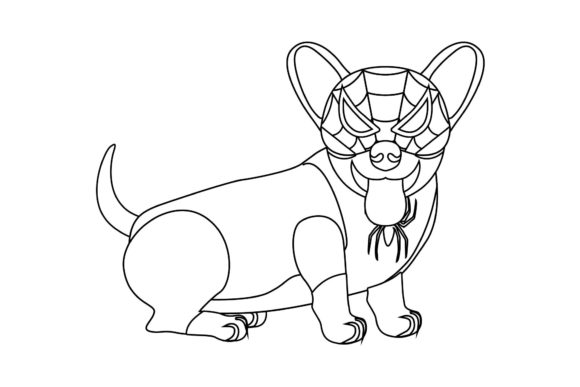
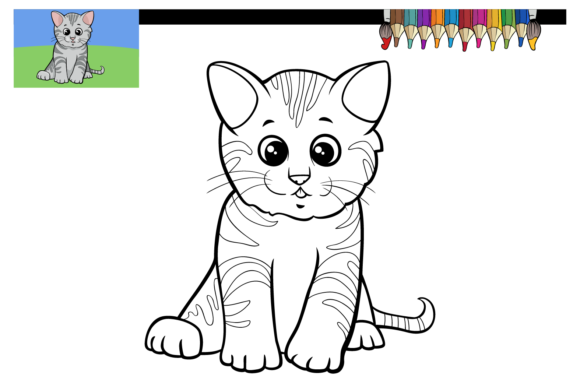
- Inspect small details—the cat’s tail tip and dog’s ear curve are subtle; zoom in digitally to ensure no vectors collapsed;
- Run black-and-white mockups—this reveals contrast issues faster than color previews;
- Use appropriate stabilizer—lightweight cutaway for knits, medium tear-away for wovens;
- Review licensing terms—since it’s labeled for use on shirts, tote bags, cards, and more, confirm whether resale of finished embroidered items is permitted (many digital embroidery files allow this, but always double-check);
- Compare light vs. dark fabric backgrounds—what reads clearly on ivory may fade on charcoal without thread adjustment.
And remember: this is an Icons-category graphic, not a photo-realistic illustration. Lean into its strengths—clarity, scalability, and handmade charm—rather than pushing it into roles it wasn’t designed for.
Final Thought: A Quietly Reliable Workhorse
Dog and Cat Coloring Pages Book for Kids won’t wow with flash—but it earns respect through consistency. It’s the kind of embroidery file you reach for when you need something that stitches fast, sells well, and makes your customers smile without requiring a manual or a magnifying glass. For craft business owners building a catalog of joyful, practical, and genuinely usable design assets? This one belongs in the rotation.