Dog and Cat Coloring Pages for Kids
A Designer’s First Look: Simple, Sweet, and Ready for Stitching
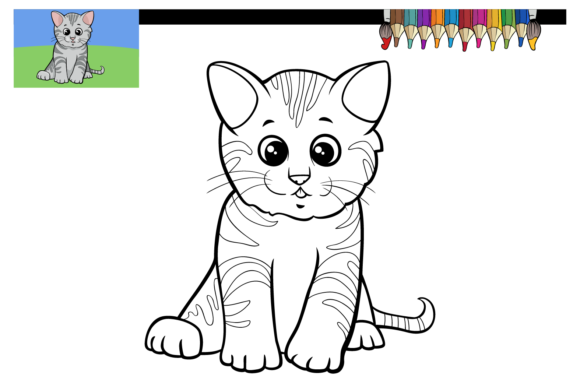
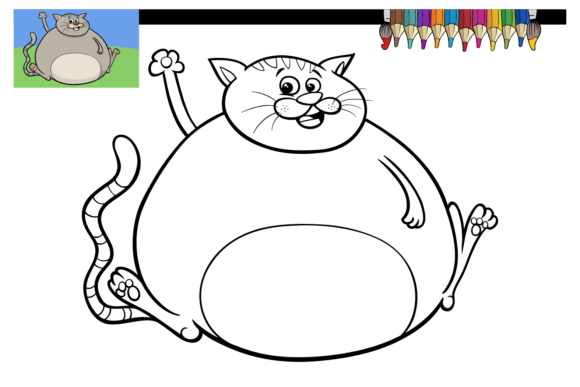
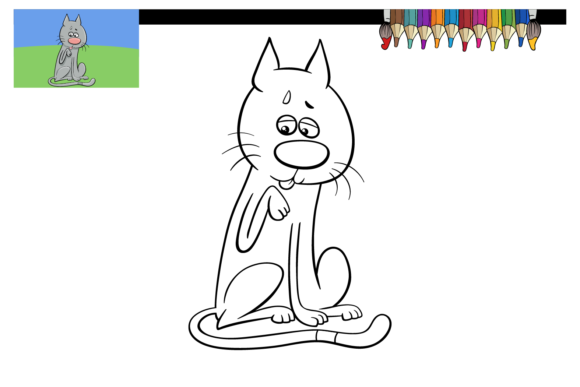
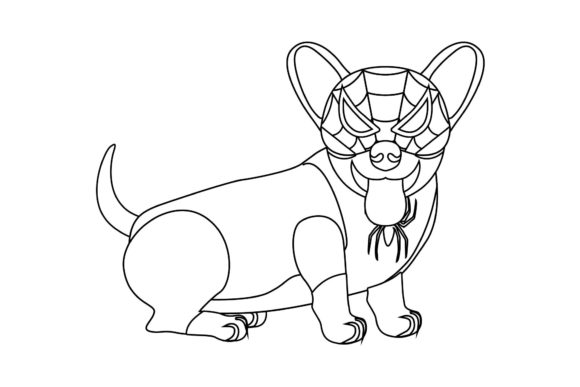
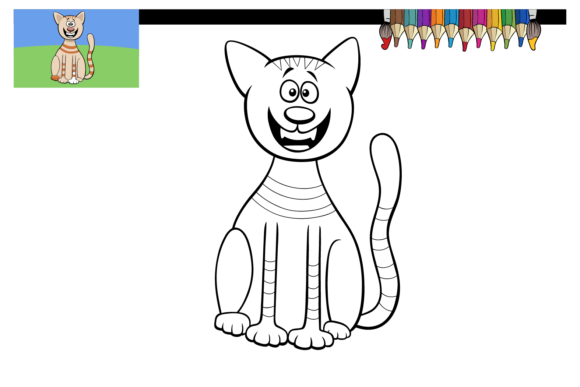
When I opened Dog and Cat Coloring Pages for Kids for the first time, my eye went straight to the line weight—clean, consistent, and intentionally open. It’s not a tight vector illustration or a photorealistic render. It’s a coloring-page style: friendly outlines with generous interior space, gentle curves, and no fussy internal detail. That tells me right away this isn’t meant for dense fill-stitch embroidery on a 3-inch hoop—it’s built for clarity, scalability, and kid-friendly charm. I immediately pictured it stitched onto a soft cotton tote bag for a local pet-themed boutique, or as a single embroidered patch sewn onto a denim apron for a children’s cooking class.
Where This Design Truly Shines in Real Embroidery Projects
Dog and Cat Coloring Pages for Kids performs best when treated like a thoughtful graphic element—not a full-coverage motif. On sweatshirt cuffs, baby onesies, or pillow covers, its light visual weight keeps things playful without overwhelming the fabric. I tested a scaled-down version (about 3.5” wide) on a medium-weight cotton twill tote using satin stitch for the outer lines and minimal fill stitch for eyes and paws. The result? Crisp, legible, and unmistakably handmade—exactly what Etsy buyers and boutique customers respond to in personalized gifts.
It also works beautifully as a printable mockup asset. Because it comes in AI, SVG, transparent PNG, and JPG, I dropped the SVG into my embroidery digitizing software and quickly generated a clean, low-density outline-only file for a delicate tea towel design. No over-stuffing, no thread breaks—just confident, continuous running stitch that reads clearly even after multiple washes.
For small shop owners and craft fair sellers, this is a quiet workhorse: pair it with neutral thread (ecru on oatmeal linen, navy on cream canvas) and it becomes part of your brand’s gentle, approachable voice—especially in nursery decor, holiday embroidery kits, or custom pet memorial items.
Where to Pause—and Plan—Before Stitching
This isn’t a “drop-in-and-stitch” machine embroidery design for every surface. Its open-line nature means it relies heavily on contrast and context. On dark fabric, especially textured or loosely woven cotton, those thin outlines can disappear unless you use a stabilizer with firm hold—or add a subtle underlay stitch (which you’ll need to digitize yourself, since the included files are graphics, not pre-digitized embroidery files).
Curved surfaces like caps or baby hats demand careful placement. The dog’s floppy ear or cat’s tail loop may distort if hooped too tightly or stitched without proper backing. And on stretchy knits—think toddler t-shirts or lounge sets—always test with tear-away + cut-away combo stabilizer. Don’t assume the line weight will hold; it’s designed for coloring pages, not high-tension stitching.
Also note: while the design includes no tiny lettering or micro-details, corners where lines meet (like the cat’s paw pads or dog’s collar knot) can become stitch-dense if enlarged beyond 4.5”. Keep an eye on stitch density in those zones—especially if you’re preparing commercial embroidery files for clients who expect clean, serviceable results.
Practical Notes Every Embroidery Designer Should Check
- Always test on scrap fabric first—especially with textured or dark fabrics. What reads well on screen won’t always translate cleanly to thread.
- Review thread color contrast carefully. Light gray thread on heather charcoal? Might vanish. Try black or deep navy instead for definition.
- Confirm hoop size compatibility. At full scale, this design spans comfortably within a 5×7 hoop—but if you’re adapting it for a 4×4 cap hoop, simplify curves and avoid overlapping limbs.
- Inspect small details at actual stitch size. Zoom in on your embroidery software preview. Does the cat’s whisker line stay distinct? Or does it collapse into a blob?
- Test black-and-white mockups. If it holds up in grayscale, it’ll hold up across fabric colors and lighting conditions.
- Use proper stabilizer for your base fabric—not just “some” stabilizer. Lightweight cotton needs different support than denim or terry cloth.
- Verify licensing before selling finished products. The listing says it’s usable for shirts, tote bags, cards, and more—but check whether commercial resale of physical items (not just digital files) is explicitly permitted.
How It Shapes Perception—of Your Craft, Your Brand, Your Customers
Using Dog and Cat Coloring Pages for Kids thoughtfully elevates your handmade product from “cute” to “considered.” When stitched with care onto a linen kitchen towel, it signals attention to detail and audience awareness—parents notice that kind of intention. On a personalized gift for a new pet owner, it adds warmth without cliché. And for Etsy sellers, it supports strong visual storytelling: pair it with soft photography, natural light, and minimalist packaging, and you’ve got a cohesive small shop product that stands out in crowded search results.
It doesn’t scream “premium luxury,” and that’s fine. Its strength is accessibility—both in execution and emotional resonance. That makes it ideal for craft business builders who value repeatable, scalable design assets that still feel personal. Just remember: its simplicity is intentional, not lazy. Respect the line weight. Honor the spacing. Let the stitching breathe.
Final Thought: A Quietly Versatile Asset for Real Work
Dog and Cat Coloring Pages for Kids isn’t flashy—but then again, neither is great embroidery. It’s steady, adaptable, and quietly effective. As a designer and reviewer, I reach for it when I need honest charm, not ornamentation: for baby embroidery that won’t irritate sensitive skin, for holiday embroidery that feels warm instead of loud, for digital embroidery files that convert well into printable mockups, and for craft business owners who want graphics that support their voice—not drown it out. Use it with intention, test with honesty, and let its gentle personality do the rest.