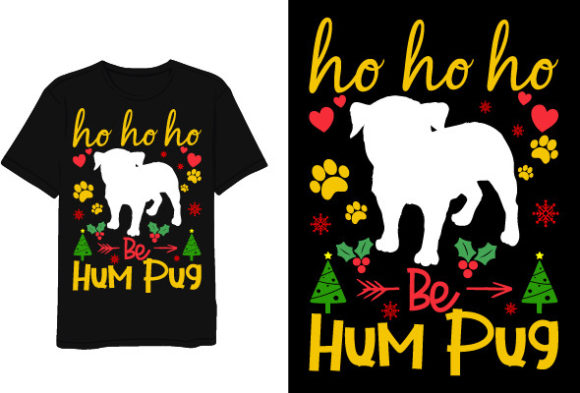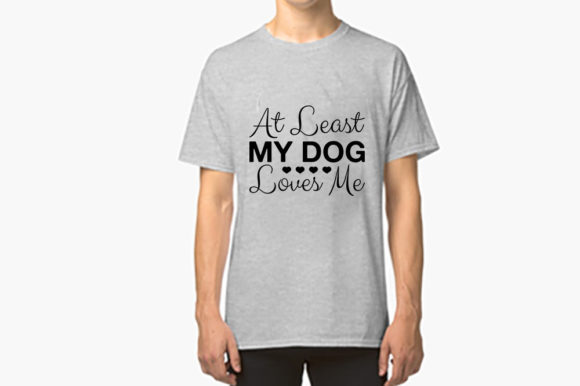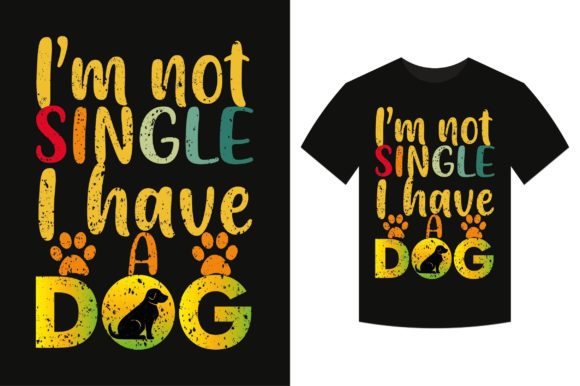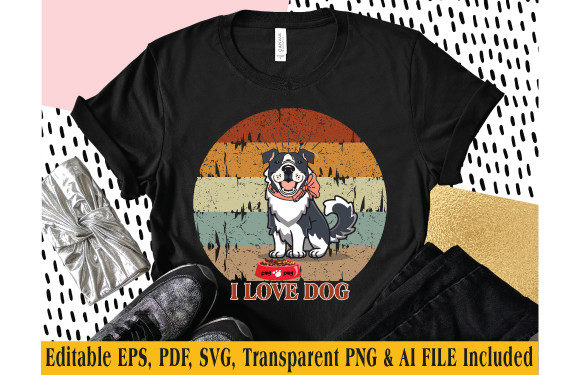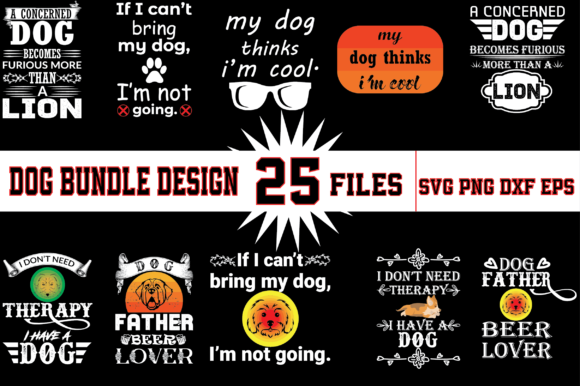
DOG BUNDLE T-SHIRT DESIGN
A Designer’s First Glance: Friendly, Flexible, and Ready for Real Fabric
When I opened DOG BUNDLE T-SHIRT DESIGN, my first thought wasn’t “cute”—it was “usable.” That matters more than you’d think. As someone who stitches daily for clients, small shops, and handmade holiday gifts, I need designs that translate cleanly from screen to thread—not just look sharp in a digital preview. This bundle lands with warmth and approachability: simple silhouettes, balanced spacing, and a clear canine theme that avoids overcomplication. It’s not hyper-realistic or overly detailed—thank goodness. That means fewer stitch-density headaches on lightweight tees, less risk of puckering on baby onesies, and better readability at 3–4 inches wide on tote bags or aprons.
Where It Shines: Sweatshirts, Totes, and Thoughtful Personalized Gifts
I recently tested DOG BUNDLE T-SHIRT DESIGN as the centerpiece for a custom embroidered canvas tote—meant for a local dog-walking service launching branded staff gear. The result? Clean, confident, and instantly legible at arm’s length. The design held up beautifully on medium-weight cotton canvas with tear-away stabilizer and standard 40-weight poly thread. No sinking, no distortion. That same ease carried over to a crewneck sweatshirt for a boutique launch—stitched at 3.8 inches wide, it read clearly without looking heavy or dense. It also worked well on a tea towel mockup (using light-heat-away stabilizer), where subtle texture mattered more than bold contrast. For Etsy sellers or craft fair vendors, this is exactly the kind of embroidery file that supports quick turnaround: minimal rehooping, forgiving stitch count, and strong visual identity without needing complex layering.
Where to Pause: Texture, Scale, and Fabric Sensitivity
That said, DOG BUNDLE T-SHIRT DESIGN isn’t magic—and pretending it is does nobody any favors. On highly textured fabrics like terry cloth or thick fleece, some finer line work may soften or blur unless you adjust underlay or reduce density manually. On stretchy knits (think toddler tees or performance apparel), always test with cutaway stabilizer and a basting stitch first. And if you’re planning to use it on dark fabric—especially navy or charcoal—check how the fill stitch coverage holds up before committing to full production. Some versions of this style rely on satin-stitch outlines for definition; those can fade visually if thread color lacks enough contrast. Also, avoid placing it near curved seams or cap crowns without adjusting placement or scaling down—it’s designed for flat surfaces, not compound curves.
Practical Notes Every Embroidery Designer Should Run Through
- Test on scrap fabric first—especially if stitching on blends, rayon, or bamboo-based textiles.
- Review stitch density: If your machine flags high density or long jump stitches, check whether the file includes optional low-density versions—or be ready to edit manually.
- Confirm hoop size compatibility: While it fits standard 4x4 hoops comfortably, double-check if larger sizes (5x7 or 6x10) are included—critical for sweatshirt backs or pillow covers.
- Inspect small details: Look closely at eyes, paw pads, or collar accents—if they’re under 1mm in width, they may not resolve cleanly on thin fabric or at smaller scales.
- Try black-and-white mockups: Does the design retain personality without color? That tells you whether it’ll hold up as a printable mockup or digital product preview.
- Compare light vs. dark backgrounds: A design that pops on white may disappear on heather grey unless thread choices shift.
- Use proper stabilizer: Tear-away works fine for stable wovens; cutaway is safer for knits or anything meant for frequent washing.
- Verify licensing: Since this is listed as a T-Shirt Designs Graphics digital file, confirm whether commercial use—like selling finished embroidered patches or wholesale tote bags—is explicitly allowed before listing on Etsy or your small shop site.
How It Shapes Perception—Before and After Stitching
What surprises people most about DOG BUNDLE T-SHIRT DESIGN isn’t how it looks in the file—it’s how it reads as a finished product. On a baby onesie? It feels tender and intentional—not generic. On a linen apron for a pet bakery? It adds charm without clutter. That quiet professionalism builds customer trust faster than flashy fonts or glitter effects ever could. Buyers notice when embroidery feels considered—not just applied. And for creative entrepreneurs, that distinction directly impacts perceived value, repeat orders, and word-of-mouth referrals. It also plays well across branding: whether you’re building a cohesive line of nursery decor, launching a dog-themed holiday collection, or offering personalized gifts for rescue fundraisers, this design adapts without demanding redesign.
A Final Thought for Sellers and Makers
If you're evaluating DOG BUNDLE T-SHIRT DESIGN for your craft business, ask yourself two things: Does it solve a real need I see in my shop or client requests? and Can I stitch it confidently—today—without extra digitizing, editing, or troubleshooting? For me, the answer was yes on both counts. It’s not revolutionary—but then again, the best machine embroidery design rarely is. It’s reliable, adaptable, and quietly polished. That’s what turns a simple digital embroidery file into a trusted tool in your kit—whether you’re stitching one-off personalized gifts or prepping 50 embroidered patches for a boutique launch.