Typography T-Shirt Design for Real Projects
The First Impression
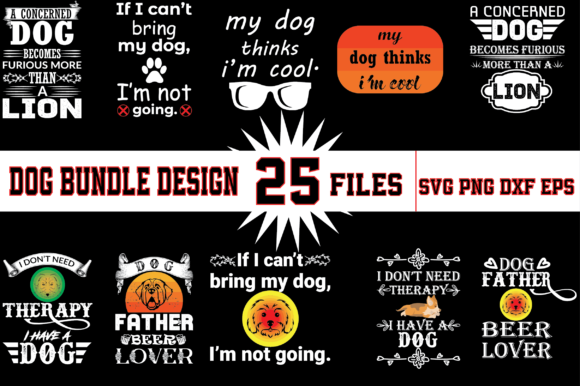
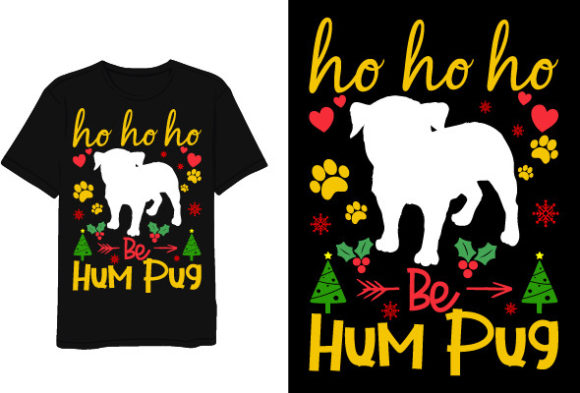
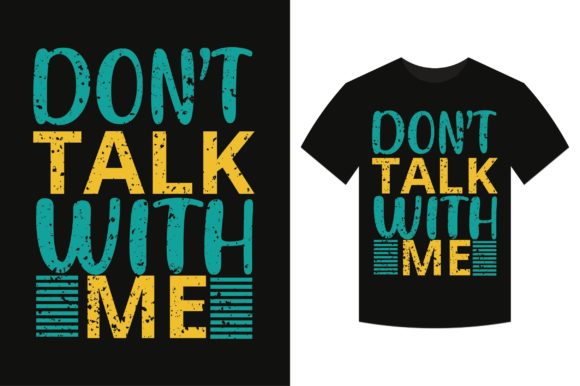
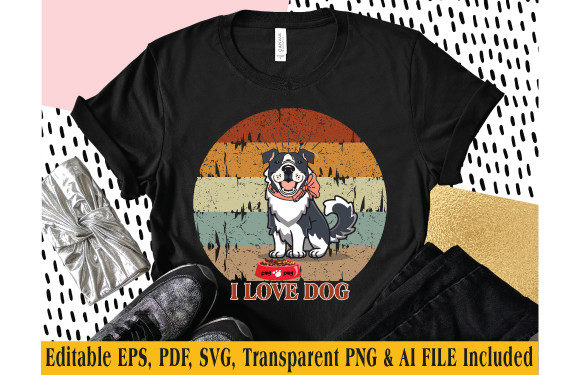
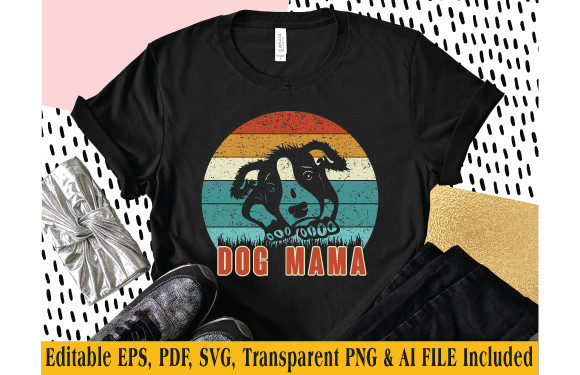
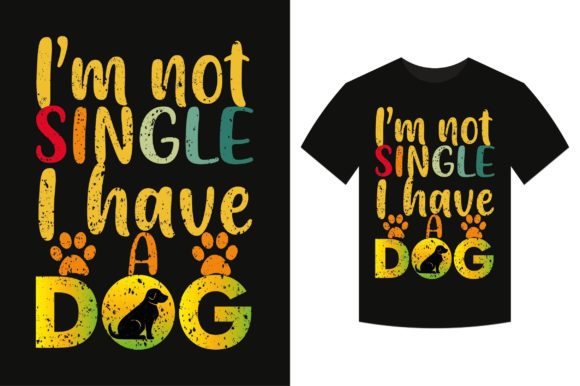
When I first saw Dog T-shirt Design Typography, it immediately struck me as a clean, modern design with a strong visual personality. The typography is bold and legible, which makes it ideal for a variety of applications. It feels like something you'd see on a vintage-style shirt or a contemporary custom apparel piece. The layout is simple but effective, and the overall mood is friendly and approachable.
This design has a strong sense of identity, making it stand out in a sea of generic t-shirt graphics. It’s not overly complex, which means it can work well in both small and large formats. As a designer, I find this kind of simplicity refreshing—it allows for more flexibility when considering different embroidery projects.
Real-Life Use Case: Custom Embroidered Tote Bag
Let’s imagine a scenario where I’m preparing a custom embroidered tote bag for a local boutique. The client wants something that reflects their brand—modern, playful, and slightly nostalgic. Dog T-shirt Design Typography fits perfectly here. Its clean lines and readable text would translate well onto fabric, especially when stitched with a contrasting thread color.
I’d consider using it on a light-colored fabric to make the design pop. However, I’d also test it on a dark background to ensure clarity. Since tote bags are often used for everyday purposes, the design needs to hold up through frequent washing and wear. This means checking stitch density and ensuring that the design doesn’t fray or lose definition over time.
Performance in Real-World Embroidery Situations
Dog T-shirt Design Typography performs well in most standard embroidery situations. It’s versatile enough to be used on t-shirts, sweatshirts, and even baby clothes. The design is simple enough to work on smaller hoop sizes, making it accessible for hobbyists and small business owners alike.
However, there are a few scenarios where I’d recommend caution. For example, using it on textured fabrics might cause some distortion, especially if the design includes intricate details. Similarly, applying it to stretchy fabrics like denim could lead to stretching or misalignment. Dark fabrics require careful consideration of thread color contrast to maintain visibility.
For curved surfaces such as caps or hats, the design should be tested thoroughly. While the typography is straightforward, the curvature of the surface can affect how the stitches align. A good stabilizer is essential in these cases to prevent puckering or uneven stitching.
Design Impact on Visual Appeal and Product Value
Visual appeal is key in handmade products, and Dog T-shirt Design Typography delivers. Its clean, modern look appeals to a broad audience, from casual shoppers to those looking for personalized gifts. The design adds value by offering a unique yet familiar aesthetic that can be easily customized for different projects.
From a customer trust perspective, clarity and consistency are important. A well-executed design like this helps build confidence in the product. When customers see a clear, professional-looking embroidery, they’re more likely to perceive the item as high-quality and worth the investment.
Practical Designer Notes
Before using Dog T-shirt Design Typography in a real project, I always recommend testing it on scrap fabric first. This allows you to check stitch density, thread color contrast, and overall appearance. It’s also a good idea to review the design in black and white mockups to ensure it still reads clearly without color.
Confirming the correct hoop size is crucial, especially for detailed areas or small lettering. Using the right stabilizer can make a big difference in the final result. Additionally, always check whether the design is suitable for both personal and commercial use, and verify licensing terms before selling finished products or digital files.
Where to Use with Caution
- Small Hoop Sizes: Ensure the design isn’t too dense or detailed for the hoop size you’re using.
- Textured Fabrics: Test the design on different textures to avoid distortion.
- Thin or Stretchy Fabric: These materials may require additional support or adjustments.
- Dark Fabric: Use high-contrast thread colors to maintain visibility.
- Layered Garments: Avoid overlapping designs that may cause confusion.
- Curved Surfaces: Check alignment and stability before final stitching.
- Tiny Lettering: Ensure the design is large enough to be legible after stitching.
- Dense Stitch Areas: Monitor stitch density to prevent puckering or stress points.
- Decorative Accents: Be mindful of how the design complements other elements.
- Frequent Washing: Choose durable thread and proper stabilization for longevity.
Conclusion
Dog T-shirt Design Typography is a solid choice for designers looking for a versatile, clean, and readable design. It works well across a range of projects, from custom apparel to personalized gifts. With proper preparation and attention to detail, it can elevate your handmade products and help you create professional, appealing results.
As an experienced designer, I recommend using this design with care, especially when working with challenging fabrics or small-scale projects. Always test and adapt as needed, and don’t hesitate to reach out for further guidance. Whether you're an Etsy seller, a small shop owner, or a hobbyist, Dog T-shirt Design Typography has the potential to become a valuable addition to your design toolkit.