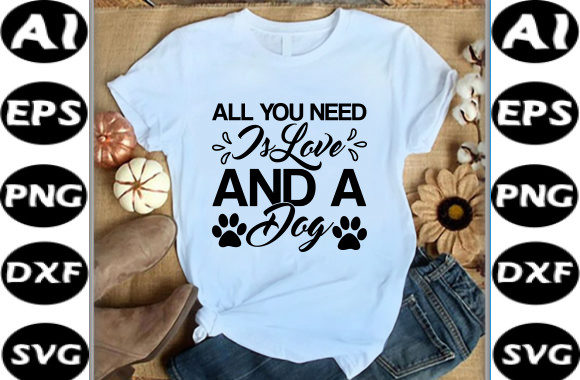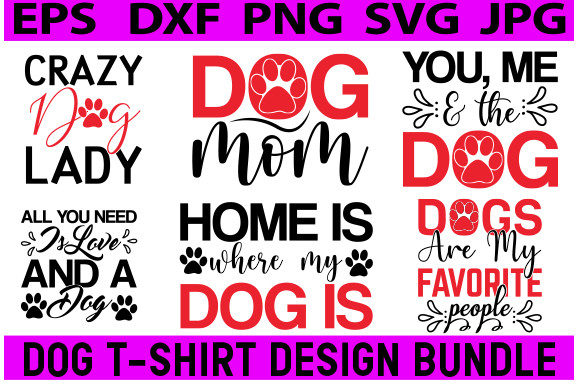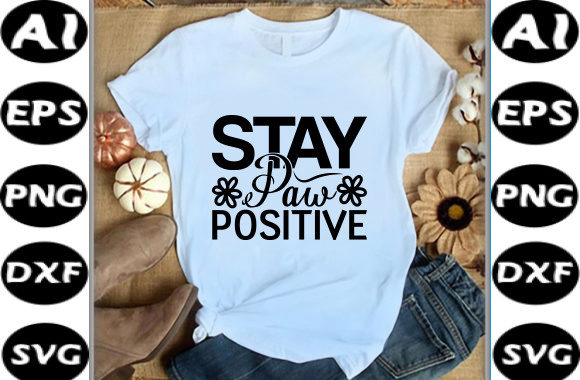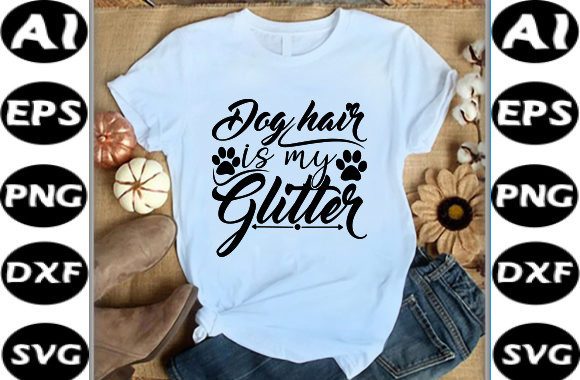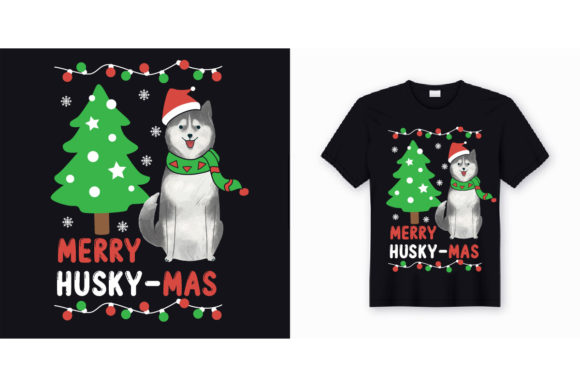
Christmas Dog Tee Shirt Design
A Husky-Mas Moment That Works—If You Use It Right
Just last week, I prepped a batch of holiday embroidered tote bags for a local boutique’s pop-up—cozy, cotton canvas, medium-weight, with room for a 4”–5” design centered on the front. I pulled up Christmas Dog Tee Shirt Design thinking it’d be a playful fit: a husky wearing antlers, clean typography, and that “Husky-Mas” twist. First impression? Warm, approachable, and instantly seasonal—but not saccharine. It feels handmade, not mass-produced, which matters when your customers are paying premium prices for custom embroidery.
What This Design Actually Communicates (Before You Stitch a Single Thread)
The layout is smartly balanced: the husky sits slightly left of center, with “Husky-Mas” arcing above in friendly, rounded sans-serif type. There’s no heavy shadowing or excessive detail—no tiny paw pads, no fur texture lines, no overlapping outlines. That’s a win. In embroidery, simplicity isn’t lazy—it’s intentional restraint. This design avoids the common trap of over-designed holiday graphics that collapse into muddy fill-stitch blobs on fabric. Instead, it leans into confident negative space and clear silhouette. It reads well at 3.5”, holds up at 6”, and still feels legible as a small embroidered patch on a baby onesie.
Where It Shines—and Where It Needs Guardrails
Shines:
- Sweatshirt embroidery—the bold shape and open letterforms translate beautifully to fleece and French terry, especially with matte poly thread.
- Tote bag design—it scales cleanly across natural canvas without needing re-digitizing; the lack of fine interior lines means fewer thread breaks during long runs.
- Baby embroidery—on soft cotton knit onesies or burp cloths, the clean edges prevent snagging, and the theme feels sweet but not cutesy.
- Holiday gifts & boutique branding—it carries warmth without leaning into cliché (no snowmen, no reindeer, no glitter fonts). Customers recognize the humor and heart right away.
Needs guardrails:
- Stretchy fabric—like jersey or ribbed knits—requires extra stabilizer backing and possibly reduced stitch density. The curved “Husky-Mas” arc can distort if tension isn’t dialed in.
- Dark fabric—the design relies on contrast, so test thread colors carefully. A light gray or cream satin stitch pops nicely on black, but avoid pale yellow unless you’re using high-contrast underlay.
- Curved surfaces—caps or beanies will need careful hooping and possibly slight manual adjustment to keep the husky upright and the text level. Don’t assume it auto-fits.
- Thin or sheer fabric—like lightweight rayon or voile—may show stabilizer bleed-through or backstitch shadows. Use tear-away + light cutaway combo, and always test first.
Real Talk About Visual Appeal & Customer Trust
When a customer sees this on a finished product—say, an embroidered apron for a dog-loving baker—they don’t just see a dog. They see personality, care, and cohesion. That matters. Christmas Dog Tee Shirt Design doesn’t shout. It invites. And that builds trust—especially for Etsy sellers and craft fair vendors where buyers choose based on perceived authenticity, not just price.
But here’s what some designers miss: visual appeal in embroidery isn’t just about the art file—it’s about how the stitches land. This design uses generous spacing between elements, which gives satin stitch breathing room and prevents thread buildup. That means less chance of puckering on delicate fabrics and cleaner wash durability. For small shop owners selling personalized gifts, that directly impacts repeat orders and reviews.
Practical Embroidery Designer Notes (No Fluff, Just Facts)
Before you load this into your machine or list it in your digital shop:
- Test on scrap fabric first—especially if using textured weaves like linen-blend tea towels or looped terry kitchen towels.
- Check thread color contrast on both light and dark backgrounds—not just on screen. What looks crisp in PNG may soften on fabric.
- Review stitch density manually if possible. Dense fill areas (like the husky’s body) should stay under 18,000 stitches for most home machines.
- Confirm hoop size compatibility. If your smallest hoop is 4x4”, verify the design fits comfortably inside—not just technically, but with buffer room for stabilizer and fabric movement.
- Inspect small details: the antlers’ tips, the curve of the “S” in “Husky-Mas”. Are they sharp enough to stitch cleanly—or do they risk fraying or disappearing?
- Test in black-and-white mockups to assess value contrast. If it flattens into a gray blob, adjust thread choice or digitizing settings.
- Use proper stabilizer: medium-weight cutaway for stable fabrics, tear-away + light cutaway hybrid for knits.
- Verify licensing before selling finished items or reselling the digital file. Since this falls under Print Templates and Graphics, confirm whether commercial use is included—don’t assume.
Final Thought: It’s Not Just a File—It’s a Handmade Promise
As someone who’s stitched hundreds of holiday designs for clients—from Etsy shops launching their first line to boutiques refreshing seasonal staff apparel—I judge Christmas Dog Tee Shirt Design by how well it honors the maker’s time, the customer’s expectations, and the integrity of handmade work. It delivers clarity, charm, and flexibility—not flashiness. It won’t wow with complexity, but it will earn smiles, tags on Instagram, and “Where’d you get that?” moments at the dog park.
That’s the quiet power of a well-considered machine embroidery design. It doesn’t need to do everything. It just needs to do its one thing—well. And in this case? It does.