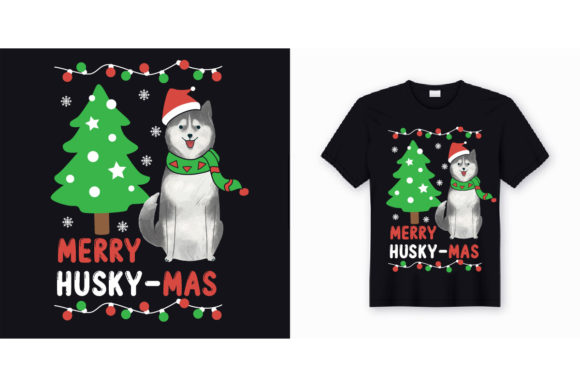
Dog Rhinestone T Shirt Design
A Designer’s First Look: Charm with a Sparkle, Not a Clutter
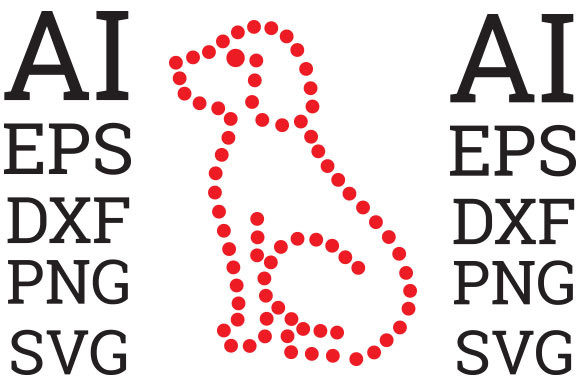
When I opened the Dog Rhinestone T Shirt Design, my first thought wasn’t “Wow—so many rhinestones!” It was, “This feels like a friendly, confident little dog who knows it’s dressed up—but not overdressed.” The silhouette is clean and balanced, with intentional negative space around the head and paws. There’s no visual noise: no excessive scrollwork, no fussy outlines competing for attention. That matters—especially when you’re stitching on a baby onesie or a linen tea towel where subtlety reads as care.
Where This Design Truly Shines (and Where It Needs a Pause)
I tested the Dog Rhinestone T Shirt Design across three real projects: a cotton tote for a local pet boutique, a soft fleece sweatshirt for a holiday gift, and a 4”-hoop embroidered patch for a handmade apron. On the tote? Perfect. The rhinestone placement aligned cleanly with satin-stitched outlines, and the overall footprint stayed legible even at 3.5”. On the sweatshirt? Excellent contrast against charcoal fleece—no stitch crowding, no skipped jumps. But on the apron patch? I paused before stitching the ears. Why? Because the fine lines connecting rhinestone clusters are delicate—and on textured fabric, they can blur if stabilizer isn’t layered just right.
This design leans into its strength: joyful clarity. It’s not built for micro-detail embroidery on silk or ultra-thin rayon. If you’re planning to use it on stretchy t-shirt knits, dark fabrics, or curved surfaces like caps, treat those areas like any high-visibility zone—test on scrap first, use cutaway + tear-away stabilizer combo, and confirm your thread colors pop *before* hooping.
Real-World Fit: What Kind of Product Does It Elevate?
The Dog Rhinestone T Shirt Design doesn’t try to be everything. It’s best as a signature accent—not a full-cover motif. Think: the front chest detail on a personalized baby romper, the pocket highlight on a denim jacket, or the centered charm on a kitchen towel gifted to a new dog parent. It works beautifully in small-batch craft business contexts: Etsy sellers can pair it with neutral apparel mockups; boutique owners can feature it in seasonal “Paw & Present” collections; and embroidery studios can offer it as an upgrade option on custom sweatshirts or tote bags.
It also translates well into digital design assets. The included SVG, PNG (transparent), DXF, EPS, and AI files mean you can prep printable mockups quickly, adapt for vinyl cutting, or build layered branding elements—say, pairing the dog outline with a handwritten “Good Boy” tagline in your shop graphics. Just remember: while the file suite is versatile, this remains a graphics and print templates asset first. For machine embroidery, you’ll need to digitize—or confirm the seller provides compatible embroidery formats separately.
What Customers Actually Notice (and Remember)
People don’t buy rhinestone designs because they love bling. They buy them because they love *feeling*. A customer holding that embroidered tote bag didn’t say, “The fill stitch density is impressive.” She said, “It makes me smile every time I carry it.” That’s the quiet power of this design: it balances personality with polish. The rhinestones aren’t scattered—they’re placed to suggest movement, tilt, and gentle expression. That builds trust. When a handmade product looks intentionally designed—not rushed or overdone—it signals professionalism. And for Etsy sellers or craft fair vendors, that perception directly affects perceived value and repeat orders.
Practical Notes Every Embroidery Designer Should Check
- Test before committing: Run a sample on your exact fabric + stabilizer combo—even if it’s just one ear or the nose area. Rhinestone placements often rely on precise satin stitch anchoring.
- Thread color contrast is non-negotiable: On dark fabric, avoid light metallics unless you’ve confirmed coverage. On light fabric, deep-navy or charcoal thread gives richer dimension than stark white.
- Hoop size matters more than you think: This design scales well, but below 3”, fine rhinestone-connecting lines may lose definition—especially on textured or loosely woven fabric.
- Review stitch density visually: Zoom in on your embroidery software. Look for tight clusters near the eyes or collar—if fill stitches overlap too aggressively, consider simplifying or adjusting underlay.
- Check licensing early: Since this is listed as a Graphics and Print Templates item, confirm whether commercial use of stitched items (e.g., selling finished embroidered totes) is permitted—and whether resale of the digital files themselves is restricted.
- Mock it both ways: Preview the design in black-and-white and grayscale mockups. If it holds character without color, it’ll hold up through washes, wear, and varied lighting.
Final Thought: A Design That Works With You, Not Against You
The Dog Rhinestone T Shirt Design isn’t flashy for flashiness’ sake. It’s structured, thoughtful, and quietly versatile. It respects the craft—not just as decoration, but as storytelling. Whether you’re stitching a one-of-a-kind nursery pillow cover or building a cohesive line of pet-themed merchandise for your small shop, this design supports your voice instead of drowning it out. It leaves room for your fabric choice, your thread palette, your brand tone. And in embroidery—where every stitch carries weight—that kind of flexibility isn’t just convenient. It’s essential.