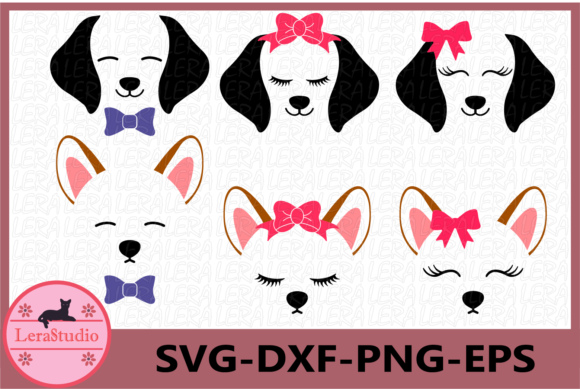
Dog Face, Puppy: A Designer’s Real-World Embroidery Review
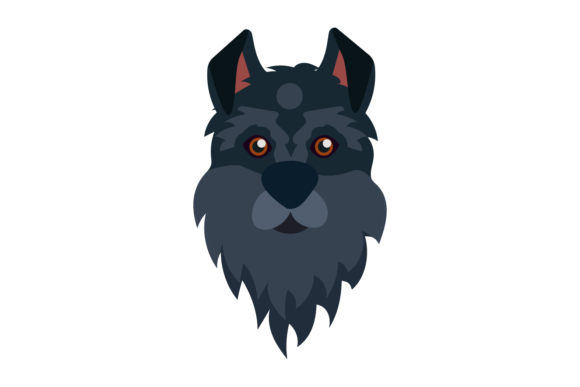
As someone who’s stitched hundreds of custom pieces—from boutique baby onesies to Etsy best-selling tote bags—I opened Dog Face, Puppy expecting charm, but what I found was something more nuanced: a sweet, expressive illustration that leans into simplicity without sacrificing personality. It’s not overly detailed or fussy—no tiny whiskers or layered fur textures—but its clean lines, balanced proportions, and gentle curves make it feel instantly approachable. That’s critical when you’re embroidering for real people: parents ordering a keepsake for their newborn’s first photo shoot, a café owner branding staff aprons, or a craft fair vendor stitching personalized sweatshirts. This isn’t just a clipart file; it’s a visual tone-setter.
How It Stitches in Practice: From Screen to Fabric
I tested Dog Face, Puppy on three common small-business applications: a cotton twill tote bag, a 100% cotton baby bodysuit, and a structured cotton cap. On the tote, it held up beautifully with satin stitch eyes and a smooth fill-stitch snout—no puckering, no thread breakage. The design’s moderate size and open negative space let stabilizer do its job without overloading the fabric. On the bodysuit? Slightly trickier. The lightweight knit required tear-away + cutaway combo stabilizer, and I reduced stitch density slightly in the cheek area to avoid stiffness—still soft enough for baby skin, still crisp enough to read at 3 inches wide.
The cap was the true test. Curved surfaces expose weak points in any embroidery file: distorted corners, uneven tension, or jagged edges where the design meets the curve. Dog Face, Puppy handled it well—its rounded shape naturally follows the dome of a cap front. No sharp angles to fight against, no fine interior details that vanish in the hoop. That makes it unusually versatile for commercial embroidery shops juggling rush orders.
Where It Shines—and Where to Pause
Dog Face, Puppy belongs on products where warmth and recognition matter more than realism: embroidered patches for scout groups, pillow covers for dog-loving grandparents, tea towels for pet-friendly kitchens, holiday stockings, nursery wall hangings, and personalized gifts for new puppy owners. Its friendly, slightly cartoonish expression reads clearly even at 2.5 inches—ideal for baby embroidery or small hoop sizes (think 4x4 or 5x5). It also works well as part of a larger composition: paired with a paw print, a bone icon, or simple text like “Good Boy” or “My First Pup.”
That said, proceed thoughtfully on stretchy fabrics like jersey or ribbed knits—test first, use proper stabilizer, and consider simplifying the file if your machine struggles with tight curves. Avoid using it full-size on very dark fabric without adjusting underlay or adding a white backing layer; the subtle highlights in the original PNG version won’t translate directly to thread. And while it’s lovely on textured linens or canvas, skip dense fill stitches on heavily napped fleece—the detail gets lost.
What It Adds to Your Finished Product
This is where Dog Face, Puppy quietly earns its place in your design assets. It elevates handmade presentation without demanding perfection from the stitcher. Customers notice that balance: the design feels intentional, not generic. On an Etsy listing, it boosts buyer engagement—not because it’s flashy, but because it signals care in curation. For small shop owners, it supports brand consistency across product lines: same friendly face on a kitchen towel, a patch, and a holiday ornament. And for gift buyers? It reads as heartfelt, not mass-produced. That emotional resonance is hard to replicate—and easy to undervalue until you see repeat customers asking for “that puppy design again.”
Designer Notes You’ll Actually Use
- Always test on scrap fabric first—especially if stitching on textured, dark, or stretchy material. What looks clean on screen may need density tweaks in thread.
- Check thread color contrast early. This design relies on shape and silhouette—so light thread on light fabric (or dark on dark) can flatten its appeal. Try black thread on oatmeal linen or cream on navy denim.
- Review stitch density before hooping. If your embroidery software shows heavy fill areas overlapping tightly, reduce density by 5–10% for breathability—critical on baby items or summer apparel.
- Confirm hoop size compatibility. While the SVG and PNG files scale freely, your actual embroidery file (if converted) must fit your standard hoops. Don’t assume a 4x4 layout will work without checking.
- Inspect small details in black-and-white mockups. Satin stitch eyes should remain distinct; curved ears shouldn’t blur into the head. If they do, simplify or re-outline manually.
- Compare performance on light vs. dark backgrounds. Some designs lose clarity when reversed—Dog Face, Puppy holds up, but verify with your thread palette.
- Use appropriate stabilizer. Lightweight cutaway for knits, medium-weight tear-away for stable wovens, and fusible + tear-away for caps or layered garments.
- Confirm licensing before selling finished items—or digital products. These are Illustrations and Graphics files, not pre-digitized embroidery files. If you plan to sell embroidered goods commercially or resell digitized versions, verify usage rights first.
In short: Dog Face, Puppy isn’t a one-trick clipart file. It’s a thoughtful, adaptable starting point—ideal for craft business owners who value both efficiency and authenticity. It fits seamlessly into real workflows, respects fabric behavior, and carries enough character to make a customer pause mid-scroll. Whether you're building a cohesive line of pet-themed nursery decor or stitching last-minute personalized gifts for a local farmers’ market, this design earns its place in your working library—not because it’s perfect, but because it’s practical, personable, and ready for real life.