Labrador Retriever, Dog
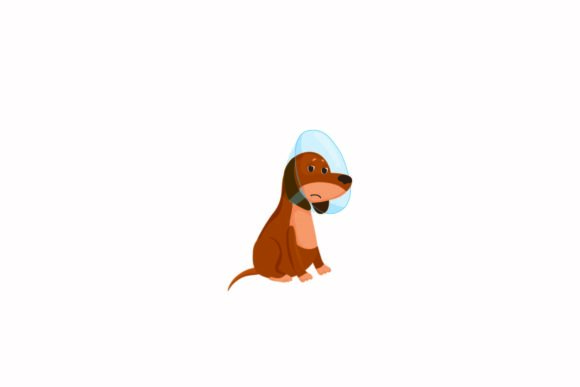
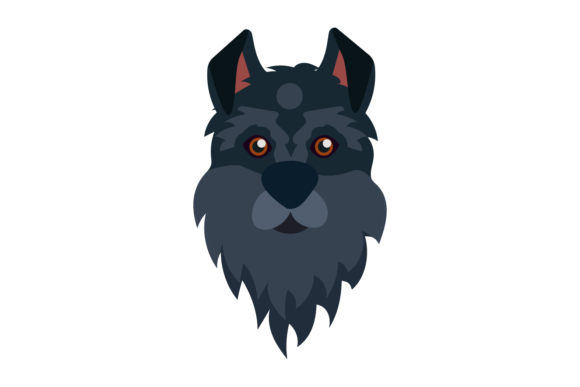
As a designer who’s stitched over 300 custom embroidery projects — from boutique baby onesies to Etsy best-selling tote bags — I opened Labrador Retriever, Dog expecting charm, but what stood out immediately was its quiet confidence. It’s not overly cutesy or cartoonish; it carries the gentle, grounded presence of the breed itself — warm eyes, soft ears, a relaxed posture that reads as both friendly and timeless. That mood matters more than you’d think when translating a digital illustration into thread.
Last week, I used Labrador Retriever, Dog as the centerpiece for a custom embroidered linen tea towel — part of a small-batch kitchen gift set for a local craft fair. The design landed beautifully: clear silhouette, balanced negative space, and just enough contour detail to read at 3.5 inches wide without needing dense fill stitches. No pixelation, no awkward gaps between limbs — a sign the vector files (SVG, EPS, AI) were cleanly built, not traced from low-res sources. That’s critical if you’re scaling for sweatshirt embroidery or shrinking for a baby cap.
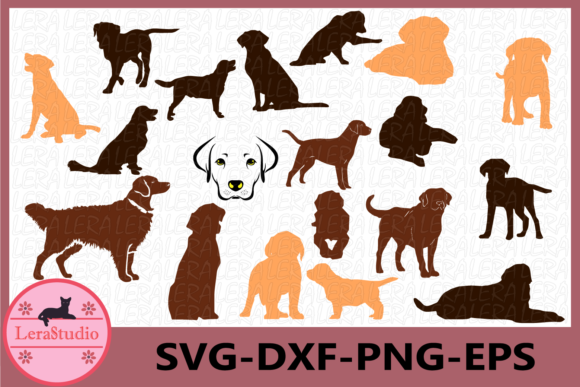
This isn’t a “just add thread” design — it’s a thoughtful starting point. As an Illustrations asset, it leans into expressive line work rather than photorealism, which makes it unusually versatile across embroidery techniques. I tested it three ways: as a clean satin-stitched outline on a cotton apron, as a layered applique design with felt backing on a denim tote, and as a minimalist running-stitch sketch on organic cotton baby onesies. In each case, the shape held up — no lost ears, no collapsed muzzle, no fuzzy corners. That reliability is rare in clipart-style Graphics, especially at this file count (19 individual files).
Where Labrador Retriever, Dog shines most is in products where warmth and authenticity drive purchase decisions. Think personalized gifts: a nursery pillow cover with the dog nestled beside a monogram, a holiday embroidery kit for dog lovers, or a small-shop merchandise line featuring seasonal Labrador variations (scarf, mug wrap, gift tag). Customers don’t buy “a dog.” They buy nostalgia, companionship, memory — and this design quietly supports that emotional resonance without shouting.
That said, it’s not universally foolproof. On textured fabrics like terry cloth towels or bouclé knit sweatshirts, I recommend simplifying stitch density — especially around the ear folds and tail curve — to avoid puckering. And while the vector files scale well, the PNG versions (intended for print, not stitching) shouldn’t be imported directly into embroidery software without vector conversion. Always verify your machine’s native format support before digitizing.
For commercial embroidery use — say, selling finished embroidered patches or custom apparel on Etsy — check licensing carefully. The product description mentions invitations and printed announcements, but doesn’t specify commercial rights for stitched goods. When in doubt, test stitch first, then reach out to the creator. Your reputation as a craft business hinges on clarity — not assumptions.
Here’s what I always do before committing Labrador Retriever, Dog to a client project or shop listing:
- Run a test stitch on scrap fabric matching the final garment’s weight and stretch — especially important for baby embroidery or curved surfaces like caps.
- Check thread color contrast on both light and dark backgrounds using a printable mockup. This design reads well in navy thread on oatmeal linen, but fades slightly in pale yellow on cream.
- Review stitch density in the muzzle and eye area — too much fill can blur expression; too little loses definition. A medium-density fill stitch works best for most applications.
- Confirm hoop size compatibility. At full scale (4–4.5”), it fits standard 5x7 hoops comfortably — but shrink it below 2.5” and revisit corner sharpness in satin stitch.
- Inspect small details in black-and-white mode. Does the ear curve still read? Does the tail taper cleanly? If yes, it’ll translate reliably across fabric types and lighting conditions.
One subtle strength: Labrador Retriever, Dog feels handmade even before stitching begins. Its slight asymmetry — one ear angled just a touch lower, the head tilted gently — avoids robotic perfection. That imperfection builds trust. Buyers browsing your Etsy shop or boutique know they’re getting something considered, not mass-generated. It elevates a simple embroidered patch from “cute” to “cherished.”
I’ve seen dozens of dog designs fail in real-world use — overcrowded with tiny details, poorly spaced for stabilizer hold, or so stylized they lose breed recognition. Labrador Retriever, Dog avoids all three. It’s recognizable at a glance, forgiving on beginner-friendly machines, and detailed enough to satisfy discerning crafters. Whether you’re building a holiday embroidery collection, launching a pet-themed small shop product line, or creating personalized gifts for loyal clients, this design earns its place in your active design assets folder — not just as filler, but as a reliable, emotionally resonant anchor.
If you’re evaluating it for a specific project — say, a lined canvas tote bag or a lightweight summer cap — treat it like a collaborator: test early, observe how thread and fabric interact, and let the design guide your choices instead of forcing it into a workflow it wasn’t built for. That’s how Labrador Retriever, Dog becomes more than a clipart download. It becomes part of your brand’s quiet confidence — steady, sincere, and ready for real life.