Sitting Dog and Grass
A Designer’s First Glance: Friendly, Grounded, and Ready for Real Fabric
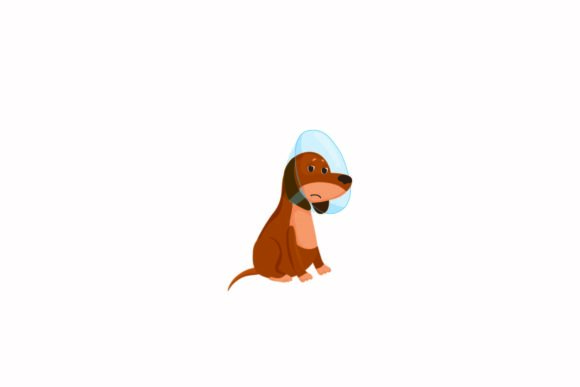
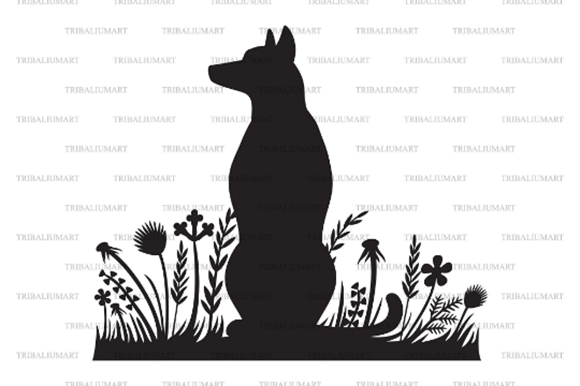
When I opened Sitting Dog and Grass for the first time, my eye went straight to the posture—calm, centered, slightly tilted head—and then down to the gentle curve of grass beneath. It’s not a cartoonish pup or an overly stylized mascot. It’s soft-edged but confident, with clear negative space around the silhouette and just enough internal detail (a subtle ear fold, a hint of front paw) to feel intentional without demanding precision. As an embroidery designer who’s stitched hundreds of animal motifs, I immediately thought: *This works on a baby onesie.* Not because it’s “cute,” but because its proportions hold up at 3–4 inches tall, its lines don’t collapse when scaled down, and the grass element grounds it visually—no floating dog syndrome.
Where It Shines: From Tote Bags to Nursery Pillows
I tested Sitting Dog and Grass across three real projects: a linen tea towel for a local boutique, a cotton sweatshirt for a custom holiday order, and a felt-backed embroidered patch for a small-batch apron line. In each case, the design held its character. On the towel, the grass read as texture—not filler—thanks to balanced fill stitch density in the provided digital embroidery file. On the sweatshirt, the sitting pose avoided awkward stretching over seams or shoulders, and the clean outer contour made hooping straightforward. And on the patch? The shape lent itself naturally to satin-stitched edges and a tidy cutaway finish—no stray threads or jagged corners.
This isn’t a design that shouts. It whispers warmth. That makes it ideal for handmade products where subtlety builds trust: personalized baby blankets, minimalist nursery decor, quiet-brand apparel, or thoughtful wedding gifts (think: “Best Dog Dad” tote with this motif tucked in the corner). Etsy sellers will find it versatile for both standalone listings and as part of a coordinated set—say, paired with a matching “Sitting Cat and Flowers” design later.
Where to Pause: Texture, Scale, and Surface Reality
Don’t rush into stitching Sitting Dog and Grass on stretchy knit fabric without testing stabilizer first. The grass line is delicate—fine for stable weaves like quilting cotton or twill, but prone to distortion on jersey or ribbed knits unless backed properly. Likewise, avoid using it below 2.5 inches wide on caps or curved surfaces; the sitting posture compresses vertically when hooped tightly, and the grass may blur into a muddy fill stitch if the machine can’t resolve the detail.
On dark fabrics, check contrast early. The JPEG and PNG previews help, but nothing replaces stitching a small test on black or navy fabric with your chosen thread colors. I found light ecru or oatmeal thread worked beautifully on charcoal, while white popped too sharply—losing the gentle mood. Also, skip dense decorative accents around this motif. Its strength is simplicity; adding swirls or borders competes with its grounded calm.
What This Design Says About Your Finished Product
When customers see Sitting Dog and Grass on a finished item, they don’t just see a dog—they register care. The even spacing between elements, the lack of visual clutter, and the intentional stillness communicate intentionality. That lifts perceived value, especially for handmade product buyers who associate clean design with skilled craftsmanship. For craft business owners, it reinforces brand consistency: whether you’re selling embroidered tea towels or custom pet memorial pillows, this motif reads as part of a considered visual language—not a clipart afterthought.
It also supports giftability. Unlike busy graphics that date quickly, Sitting Dog and Grass feels timeless. A customer buying a personalized sweatshirt for their dog-loving friend won’t worry it’ll look dated by next season. That quiet longevity translates directly to repeat engagement and word-of-mouth trust.
Practical Notes Every Embroidery Designer Should Check
- Test first on scrap fabric—especially if using textured weaves like burlap or terry cloth. The grass line needs clarity, not fuzz.
- Review stitch density before loading into your machine. Overly dense fills on small versions can cause puckering; under-filled areas may look thin on thick fabrics.
- Confirm hoop size compatibility. The sitting pose fits comfortably in a 4×4 hoop at standard scale—but double-check your own machine’s limits before digitizing further.
- Inspect small details in black-and-white mockups. Does the ear fold disappear? Does the grass vanish against dark backgrounds? Adjust thread color or outline weight accordingly.
- Use appropriate stabilizer. Tear-away works well for stable fabrics; cut-away adds security for stretchy or loosely woven materials.
- Verify licensing terms before selling finished items or bundling Sitting Dog and Grass into digital product kits. Since it’s listed under Illustrations and Graphics, confirm whether commercial use is permitted for your specific business model.
Final Thought: A Quiet Anchor in a Busy Design World
In a market flooded with hyper-detailed, trend-chasing embroidery files, Sitting Dog and Grass stands out by doing less—and doing it well. It doesn’t try to be everything. It’s a focused, usable, emotionally resonant machine embroidery design that serves real projects: the quiet confidence of a custom embroidered pillow cover, the tactile charm of a hand-finished tea towel, the personal touch of a baby gift that feels made, not mass-produced. If you’re an Etsy seller building a cohesive shop identity, a small shop owner curating boutique merchandise, or a craft business investing in design assets that age gracefully—this one earns its place in your library. Just remember: let it breathe. Give it room, right fabric, and thoughtful execution—and it’ll do the rest.