Dog Head: A Designer’s Real-World Embroidery Review
As someone who’s stitched hundreds of custom pieces—from boutique baby onesies to Etsy best-selling tote bags—I opened Dog Head expecting charm, but what I found was versatility with quiet confidence. This isn’t a cartoonish mascot or an overly detailed portrait. It’s clean, expressive, and built for translation—not just into digital files, but into real thread, fabric, and customer delight.
First Impressions: Friendly, Focused, and Fabric-Ready
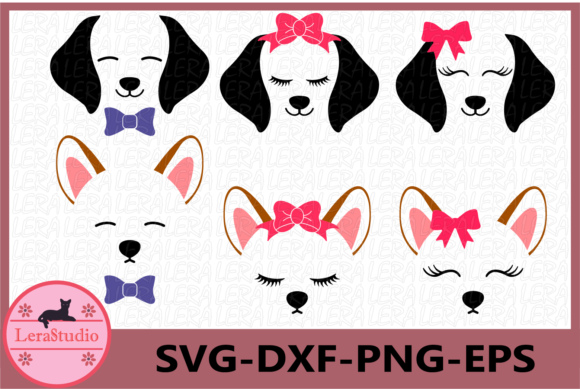
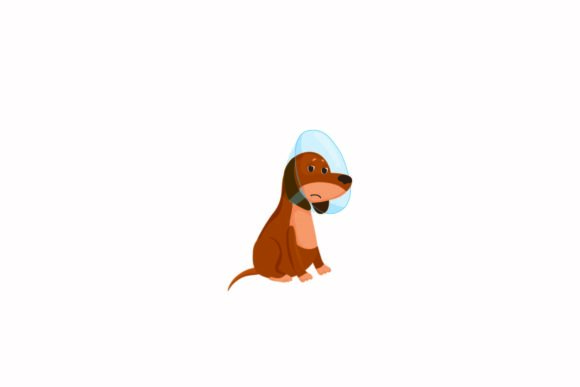
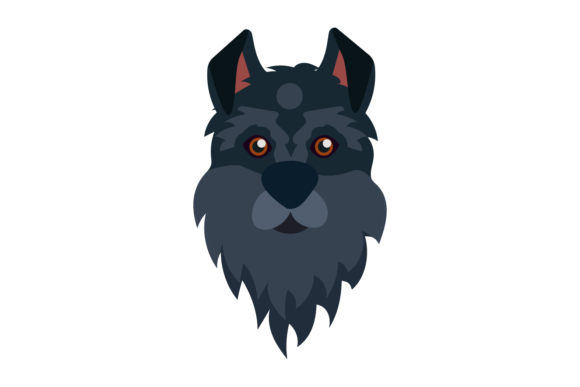
The moment you view Dog Head, it reads as warm and approachable—rounded ears, soft eye shape, gentle muzzle curve—yet it avoids cuteness overload. There’s no excessive line work or fussy shading, which is exactly what makes it strong for embroidery. As an Illustrations-category graphic, it prioritizes silhouette integrity and negative space over photorealism. That’s good news: fewer tiny fill-stitch islands, less risk of thread nesting, and more breathing room for stabilizer to do its job.
I immediately pictured it on a natural linen tea towel—centered, medium scale, in muted oatmeal thread. Or on a heavyweight cotton sweatshirt cuff, where the bold outline would hold up against wear. It’s not shouting; it’s smiling. And that subtlety translates directly into perceived value for handmade products.
Where Dog Head Shines (and Where It Needs Thought)
Dog Head works exceptionally well for custom apparel like crewneck sweatshirts and relaxed-fit tees—especially when placed on the chest or sleeve. Its balanced proportions avoid distortion on curved seams, and the moderate detail level means satin stitch edges stay crisp without demanding ultra-fine needles or low-density underlay.
For embroidered patch applications? Strong candidate. The design’s self-contained shape and clear outer edge make it ideal for heat-applied or sew-on patches on denim jackets or backpacks. On tote bag design projects, it holds presence at 3–4 inches wide—even on textured canvas—because its core shapes don’t rely on fine linework to read.
It also lands gently in sensitive contexts: baby embroidery on organic cotton burp cloths or bibs, or nursery decor on pillow covers and wall hangings. No sharp angles, no aggressive contrast—just sincerity. That emotional resonance matters when buyers choose handmade over mass-produced.
But let’s be practical: Dog Head needs thoughtful placement on stretchy fabric like knits or ribbed cuffs. While the outline is stable, any internal detail (like subtle cheek contouring) may blur without proper cutaway stabilizer and reduced stitch density. Likewise, on dark fabric, test your thread colors carefully—the design’s openness means background bleed can soften definition if stabilizer isn’t fully secured.
Real Project Test: A Custom Embroidered Tote for a Local Pet Shop
Last week, I prepped Dog Head for a small-batch order: 25 heavyweight cotton tote bags for a neighborhood pet boutique. Goal? Timeless, gift-ready, and unmistakably handcrafted—not clip-art-y. I digitized the SVG at 3.8 inches wide, used medium-weight tear-away + light cutaway combo stabilizer, and chose matte cotton thread in charcoal and warm taupe.
Result? Clean satin-stitched outlines, smooth fill-stitch cheeks, and zero puckering—even across the bag’s gusset seam. Customers responded to the warmth, not the “dog-ness.” One note: I avoided placing it near the bag’s bottom hem, where dense stitching could stiffen the fold. Instead, centered it mid-panel—where the eye rests first. That small decision elevated the whole finished product.
What This Means for Your Craft Business
If you’re an Etsy seller, small shop product creator, or digital embroidery file reseller, Dog Head supports brand consistency without locking you into one aesthetic. Use it monochrome for minimalist branding, or add a single accent color (like a red collar line) to personalize personalized gift orders. Its inclusion in Graphics formats—AI, SVG, transparent PNG, JPG—means you can adapt it beyond machine embroidery: think printable mockups for client approvals, sticker sheets for packaging, or card front designs.
But remember: this is a design asset, not a plug-and-play embroidery file. Before stitching, always:
- Test the design on scrap fabric matching your final project’s weight and stretch
- Check thread color contrast on both light and dark backgrounds
- Review stitch density—especially around ear curves and muzzle corners
- Confirm hoop size compatibility with your intended placement (e.g., cap fronts need compact scaling)
- Inspect small details in black-and-white mockups—what reads on screen must translate in thread
- Use appropriate stabilizer for fabric texture—linen demands more support than smooth poplin
- Verify licensing terms before selling finished items or bundling Dog Head in digital product kits
A Final Note on Trust & Presentation
Customers don’t buy dog designs—they buy feeling. A well-executed Dog Head says “thoughtful,” “handmade with care,” and “made for real life.” When it’s stitched cleanly on a kitchen towel, it doesn’t look like a logo—it looks like part of the home. When it’s on a baby onesie, it feels tender, not trendy. That authenticity builds customer trust faster than any listing description.
For commercial embroidery clients or wholesale partners, Dog Head delivers professionalism without complexity. It scales predictably, stitches reliably, and retains character across mediums. And for hobbyists and makers just building confidence? It’s forgiving—no micro-details to frustrate your first satin-stitch pass.
Bottom line: Dog Head earns its place in your design assets not because it’s flashy, but because it’s functional, friendly, and quietly polished—exactly what thoughtful embroidery work demands.